Another Black History Month of reading in the books though, quite honestly, I don’t read any differently his month than any other month; any month is a good month to read Black authors!
Still, I thought I would use this opportunity to highlight the Black authors I read this month here, in case you’re looking for inspiration. My full month’s reading list follows.
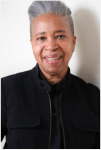
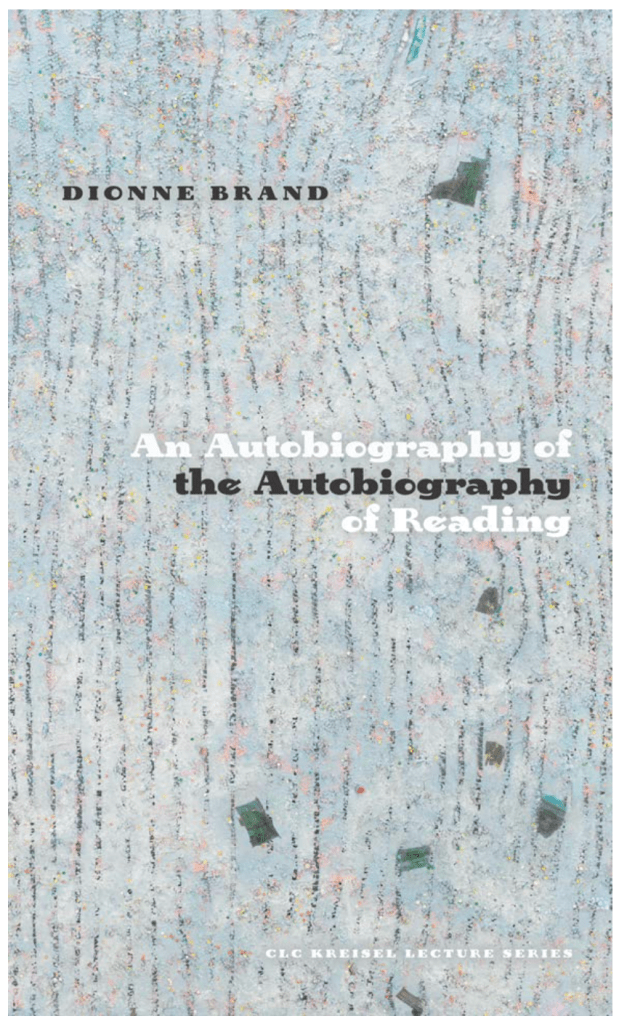
Dionne Brand is a Canadian novelist, poet, essayist, and documentarian. This month I read her 2020 book, An Autobiography of the Autobiography of Reading, essays on the impact of the colonialist, imperialist, and racist tropes that pervade the Western canon. For fans of Toni Morrison’s Playing in the Dark (1992), it’s a great contemporary take. This was my second time with Brand’s work; I am also a fan of her 2002 hybrid memoir, A Map to the Door of No Return: Notes to Belonging.
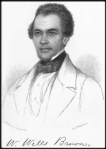
William Wells Brown was an American abolitionist, novelist, playwright, and historian. He published six books across genres between 1847 and 1880, as well as plays, orations, and letters. In 1849 he fled the United States for Europe, where he remained for five years in a bid for his freedom in defiance of the Fugitive Slave Act. The American Fugitive in Europe (1854), a hybrid work of travel writing, memoir, literary and cultural criticism, reportage, and auto-fiction, is the chronicle of his time abroad. I would recommend it to anyone who is a fan of this kind of collapsed-genre work, and you can read more about my thoughts on The American Fugitive here.
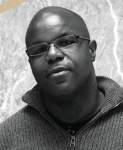
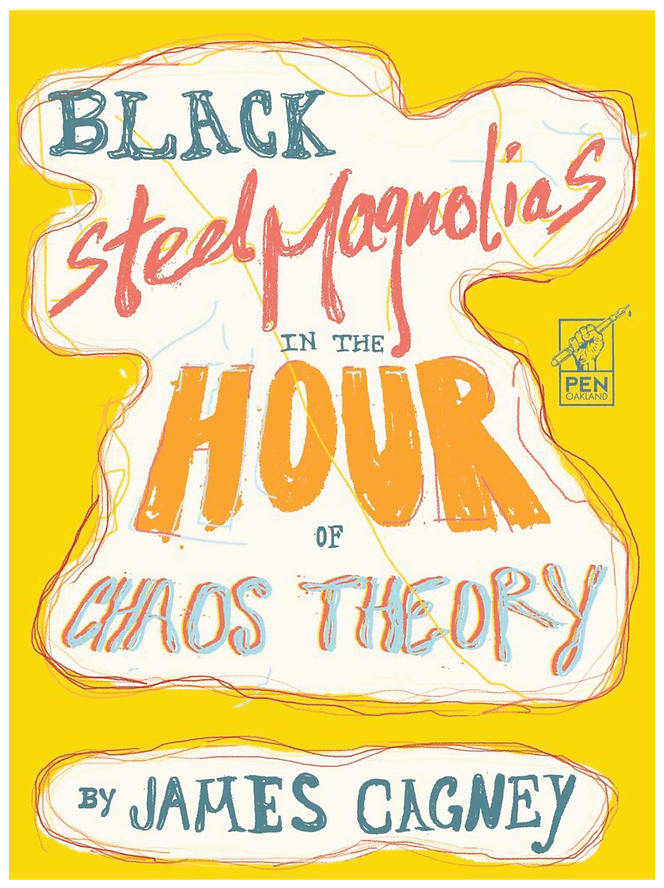
James Cagney is an Oakland, California-based poet and an adoptee. This month I read his collection, Black Steel Magnolias in the Hour of Chaos Theory (2018) in preparation for an adoptee only reading group discussion with the author in March. (This discussion, and others like it with adoptee authors across all genres are available for Patreon supporters of the AdopteesOn podcast, hosted by Haley Radke). Cagney says of his collection,
Since this book was first published, a few friends confessed they had to put these poems down and walk away for a little while. I took those words for a compliment. I have often wished I could put down my own life and walk away for a while but didn’t, channeling that same energy into writing poems.
I would recommend this book to poetry fans and wannabe fans alike, as it tackles universal topics of identity, family, and legacy, through the very unique and often misunderstood experience of adoption.
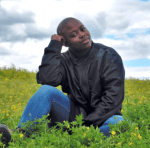
Karen Wangare Leonard is a writer, athlete, artist, and transracial adoptee. This month I read her 2020 poetry collection, Lightening on My Fingertips, which is available for free at her website here. As a transracial adoptee, Leonard’s wrestling with images of identity and belonging resonate deeply with me. Yet this is not only a book for adoptees; she tackles gender, queerness, mental health, religion, and the American experience in a way that is simultaneously fresh, and familiar, in its joys and pain.
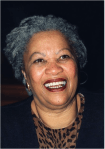
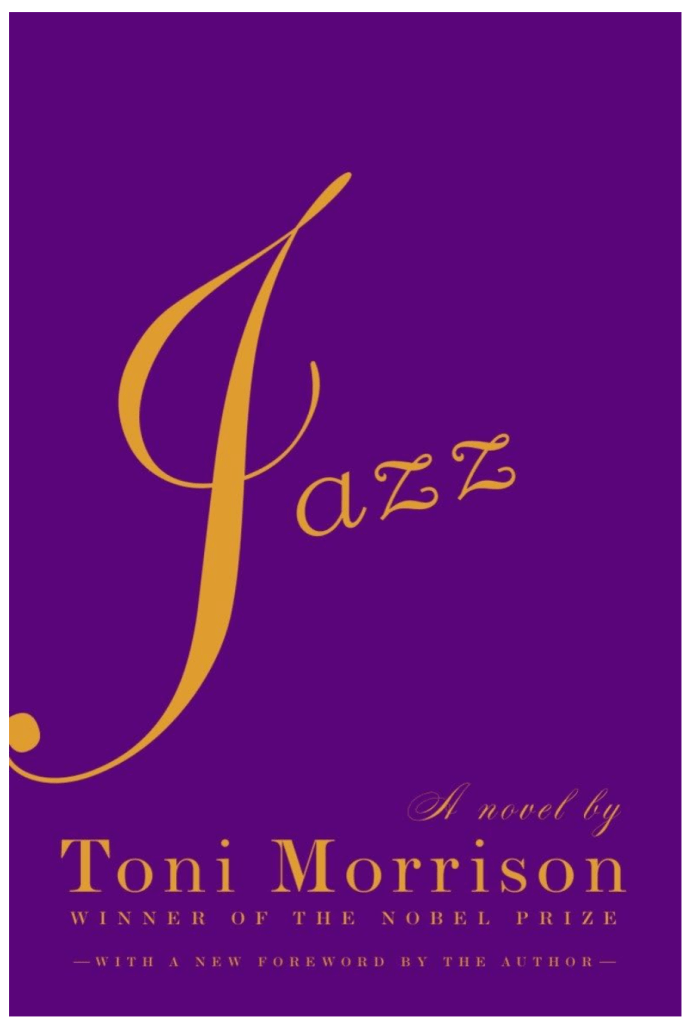
Toni Morrison was an essayist, novelist, and winner of the Pulitzer Prize for fiction (Beloved, 1987), and a Nobel Prize for Literature (1993). This month, I read Jazz, a novel that takes place during the Harlem Renaissance. Her work of literary criticism, Playing in the Dark: Whiteness and the Literary Imagination (1992), changed the way I read books — all books — forever. I think Dr. Carolyn Denard summarized Morrison’s impact beautifully in a piece for The Toni Morrison Society newsletter in 1994,
We are a nation hungry for such reflective interpretation. Part of the American heritage is in living lives so fast, so forward-looking that we have little time or inclination to look back to see what our lives have meant or where, because of their particular turns, our collective lives have placed us upon the stage of human drama. This has been especially true for African Americans—so preoccupied have they been with the work of having to support the web of national life on their shoulders on the one hand and of being suffocated by its stifling weight on the other—that they have not been able to stand back from it to see their central meaning in its making. Morrison has provided that vision and that interpretation of the lives of African Americans. In fact, that has been the major focus of her work: “I am concerned in all of my writing with the elaborately socialized world of Black people…I think long and carefully about what my novels ought to do. They should clarify the roles that have become obscured; they ought to identify those things in the past that are useful and those things that are not, they ought to give nourishment.”
Read Denard’s entire tribute here.
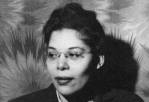
Ann Petry was a novelist, children’s author, and journalist. Petry had a relatively sheltered upbringing in New England. A move to Harlem in 1938 at the age of 30 that provided Petry with a different view of Black life than that she’d been raised with. While in Harlem, she wrote for several of the biggest Black newspapers of the time, became involved with the NAACP, took writing and art classes at Columbia University and the Harlem Art Center, and acted with the American Negro Theatre. It was this new life in Harlem that planted the seeds for her first novel, The Street, which went on to sell more than 1 million copies, making her the first African American woman to do so. I read The Street this month.

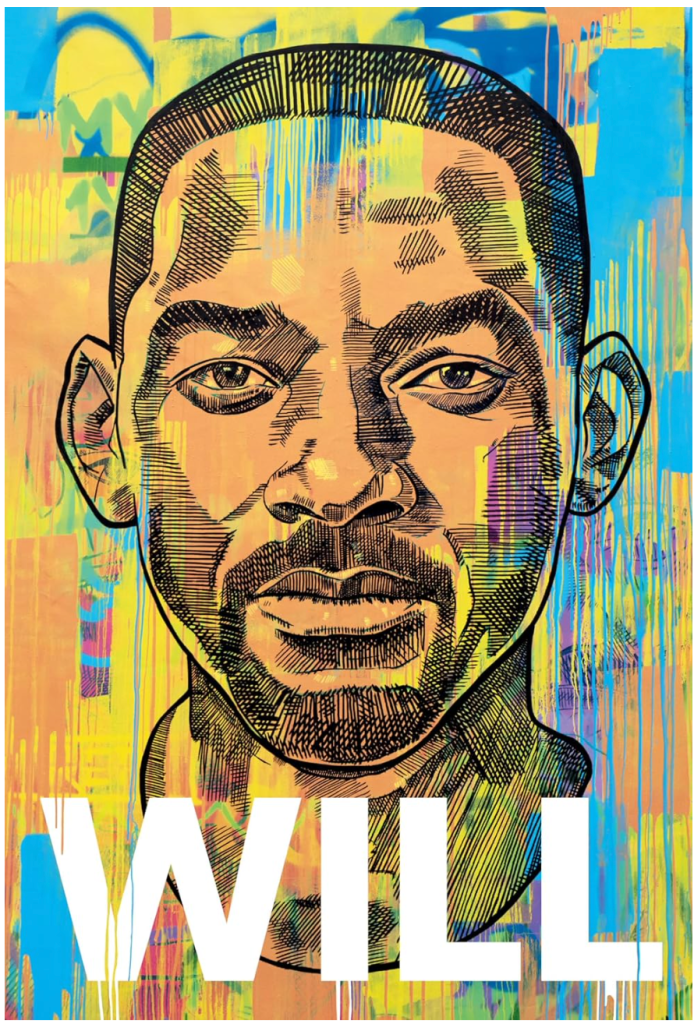
Will Smith is an actor, music artist, and producer. This month I listened to his memoir, Will, written with Mark Manson. As someone raised on Smith’s music and television show, The Fresh Prince of Bel-Air, I enjoyed reading about Smith’s life behind-the-scenes during this time. More resonant was his exploration into his own habits and shortcomings as a man, partner, and father in middle-age. I would recommend this book to anyone who enjoys celebrity memoirs, is a fan of any member of the Smith family (his former partners, Sheree Zampino and Jada Pinkett Smith, and his children are all celebrities in their own right), or who is a self-described striver who finds themselves in the relentless pursuit of success, perhaps sometimes to a fault.
Full February reading list:




 sullivansummer.com
Leave a comment