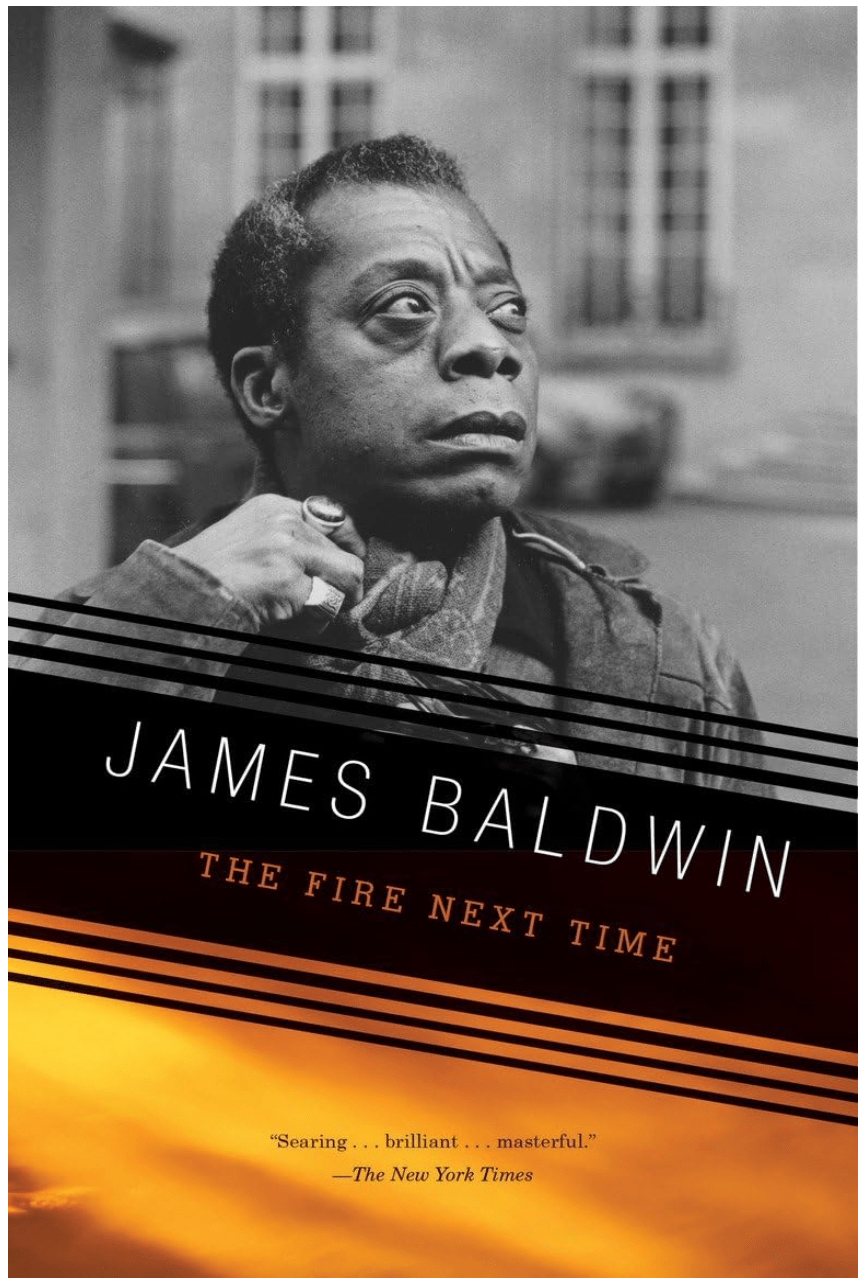
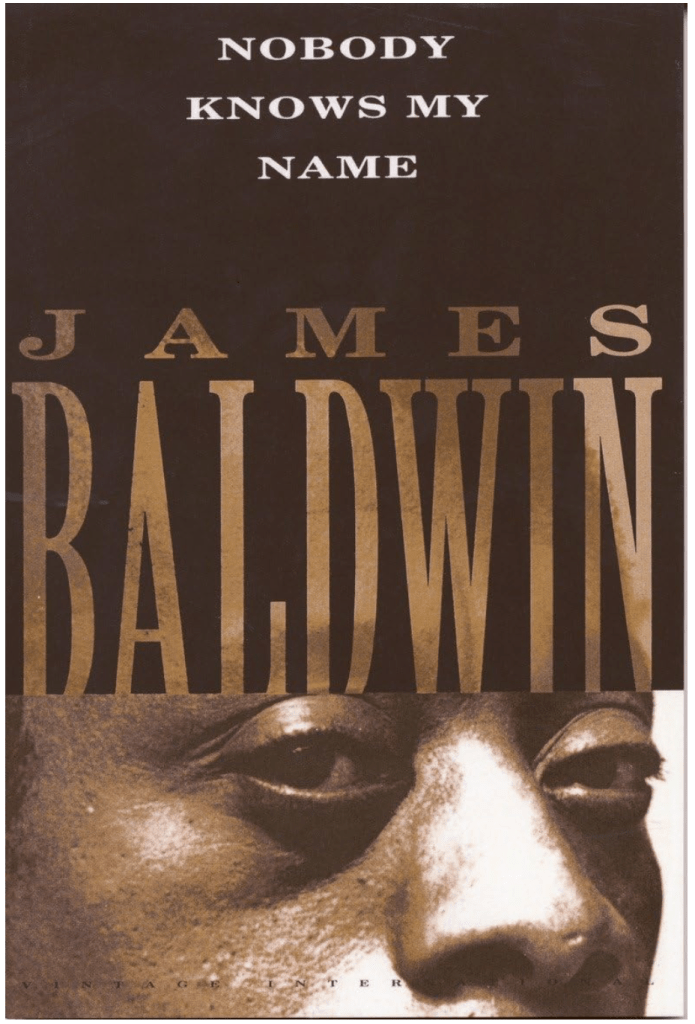
“The country will not change until it re-examines itself and discovers what it really means by freedom.” James Baldwin, Nobody Knows My Name
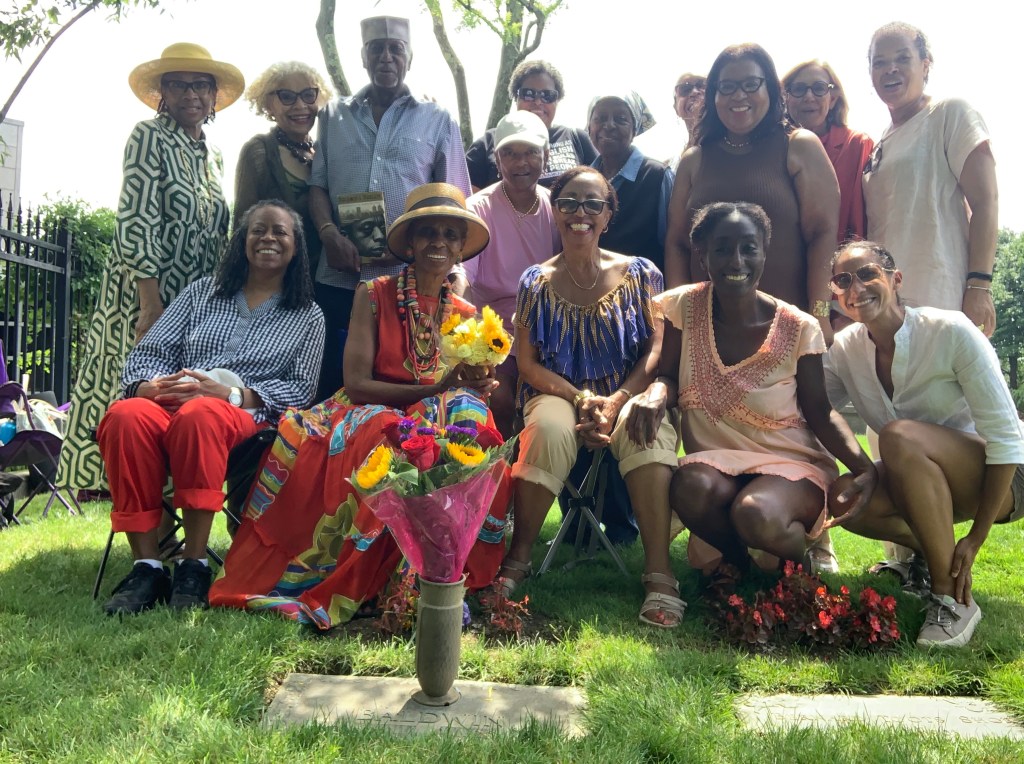
Over the past couple of years, I found myself drawn more and more to the work of James Baldwin. With his 100th birthday on August 2, I doubled down on my Baldwin reading this summer, completing four of his books in July (No Name in the Street, Notes of a Native Son, Giovanni’s Room, and Another Country), and two more in August (The Fire Next Time and Nobody Knows My Name). Reading Baldwin is not only an enriching experience, but also one made more moving by reading so much of the catalogue over a relatively short period of time. I’m not sure whether I will get through his entire catalogue by year end, but I have found myself wanting to try.
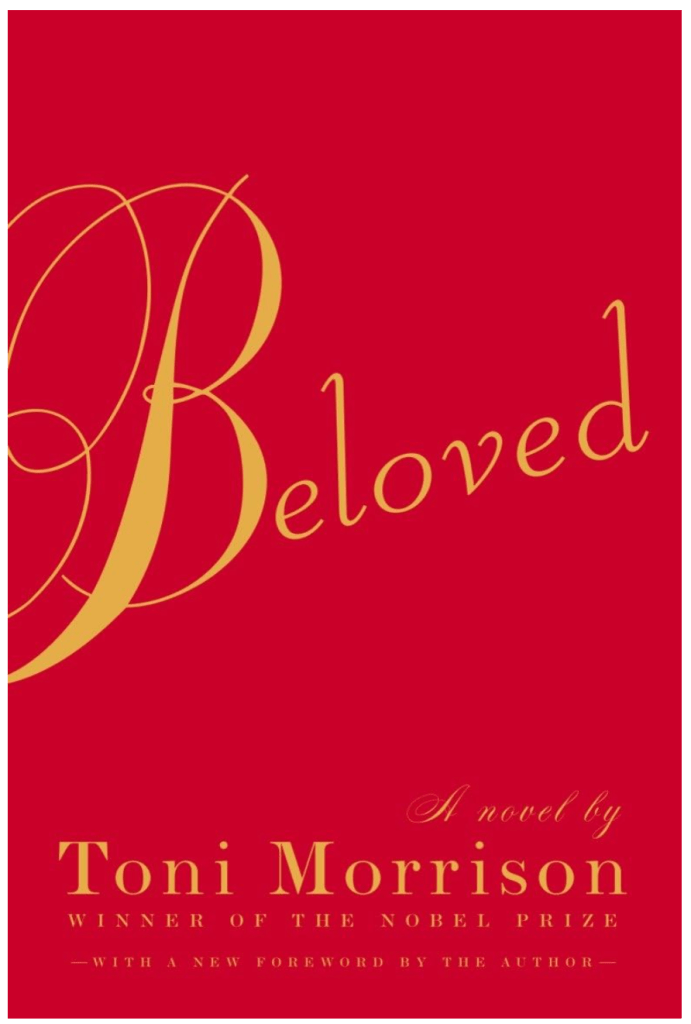
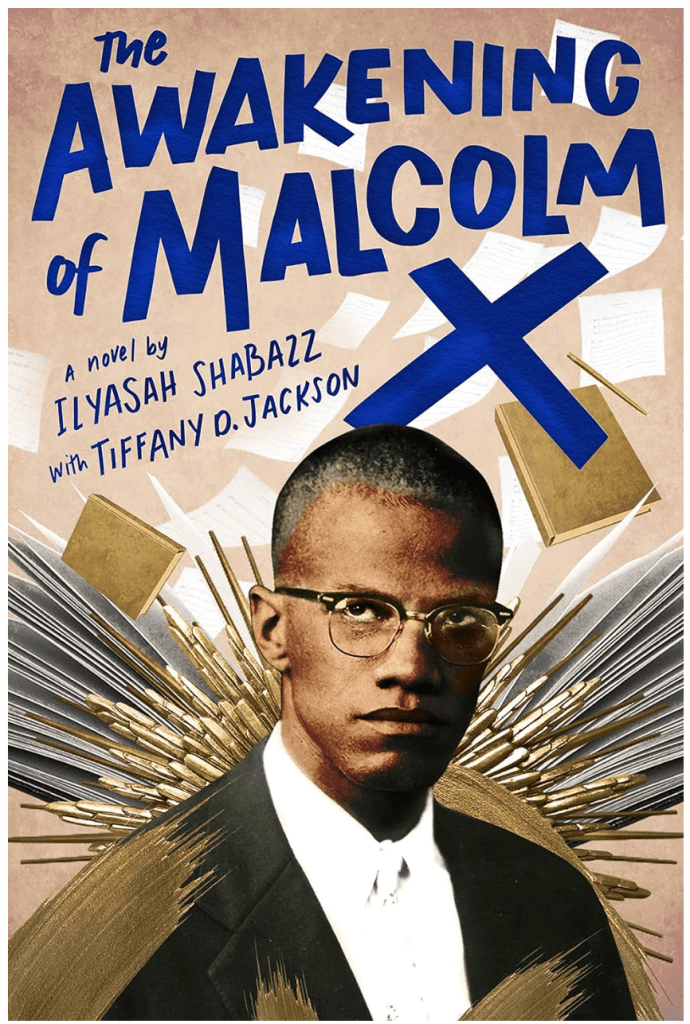
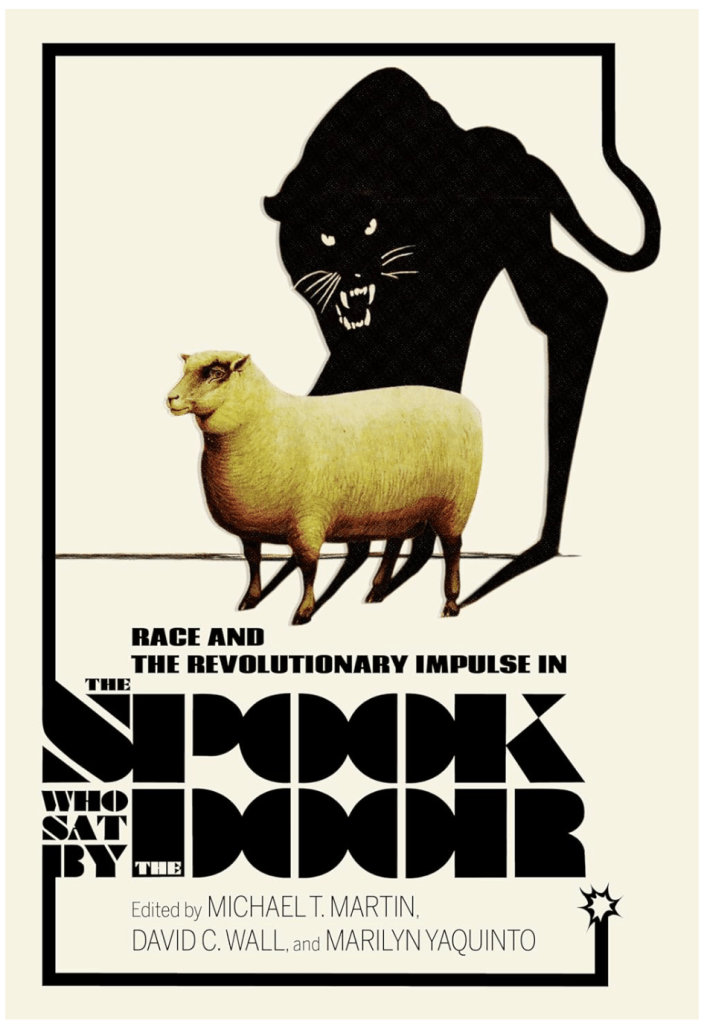
Something else I have recognized by reading so much Baldwin is how easy it becomes to spot his influence in his contemporaries, as well as those who came after him. In August, this was for me Toni Morrison (the two were friends, and Morrison edited two volumes of Baldwin’s work for the Library of America), Malcolm X (they respected one another deeply), and Sam Greenlee (I wasn’t able to find anything online indicating the two had met, but it is easy to imagine a mutual admiration); all four were precursors to Ilyasah Shabazz and Tiffany D. Jackson (The Awakening of Malcolm X), Tori Sampson (If Pretty Hurts Ugly Must Be a Muhfucka), and Michael T. Martin (Race and Revolutionary Impulse in The Spook Who Sat By the Door).





 sullivansummer.com
Leave a comment