For the fourth consecutive year in 2024 I read over 100 books, tracking not only the titles and authors, but author demographics, as well as genre, format, and publication year. This year I also switched from Goodreads (owned by Amazon) to StoryGraph (Black and women-owned) for online tracking, though I also keep my own detailed spreadsheets. The tracking feeds my own curiosity, but it also serves as a way to hold myself accountable to my own goal of supporting historically underrepresented authors. In 2024, the New York Times published an article about diversity in the publishing industry, finding little progress has been made since 2020. The industry remains overwhelmingly white and, as gatekeepers to traditional publishing, published authors, too, remain overwhelmingly white, 79% according to the Authors Guild in a survey that includes both traditionally published and self published authors.
My own reading habits have gotten progressively more diverse over time through intentional action. It is not enough simply to choose books about diverse topics — frequently these books, fiction and nonfiction alike, are written by authors who do not identify with the marginalized group they are writing about.
After landing on a plot or subject matter that sparks my interest, my process of choosing a book is to Google the author, searching out both a biography and a photo. I then ask myself — is this person’s perspective the one I want to read? Sometimes this is a hard question. Often, with U.S. History in particular, a white writer’s version is the only one available. I can, have, and will continue to read meticulously researched, engaging, and informative histories by white writers. But sometimes I opt not to read the book, especially if it is clear from my author research and a cursory flip through the pages (or blurbs) the author is unaware of their biases. The bias isn’t the problem — we all have them — its the lack of awareness that makes for bad writing, in my opinion. I’ve abandoned books when I’ve gotten it wrong, and I am may have missed some gems because of my own biases.
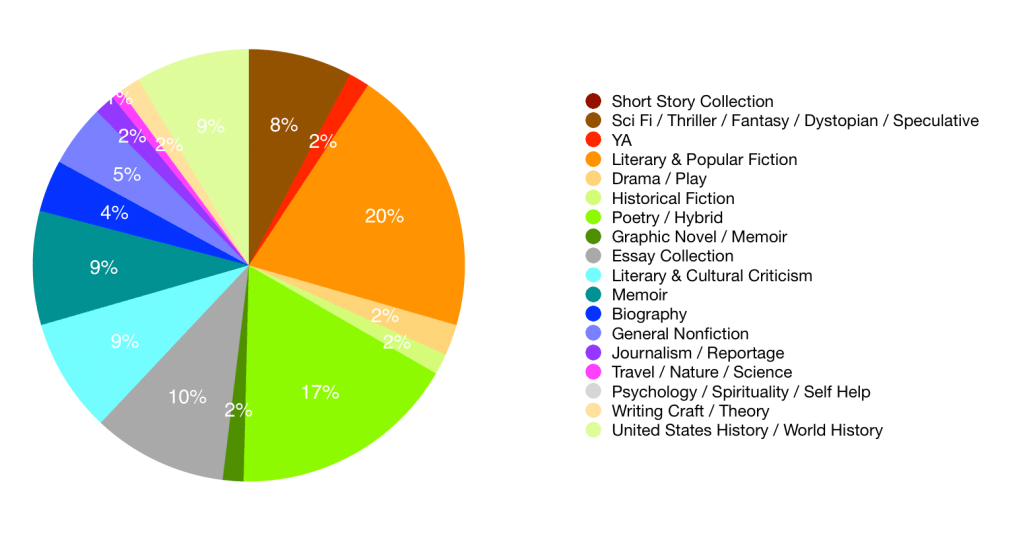
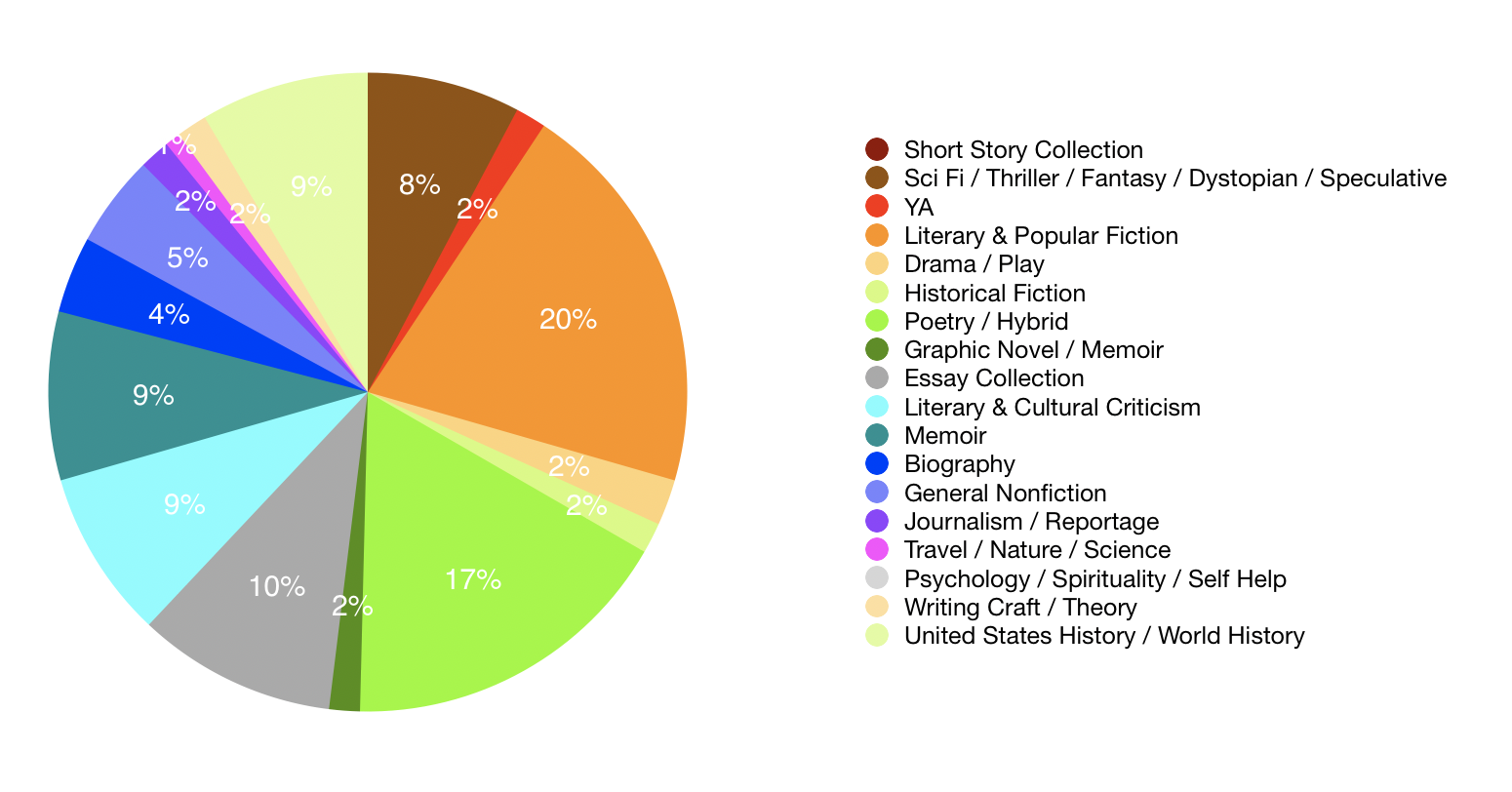
I read 128 books in 2024 across 18 sub-genres in fiction (33%), non-fiction (49%), and poetry/hybrid (18%).
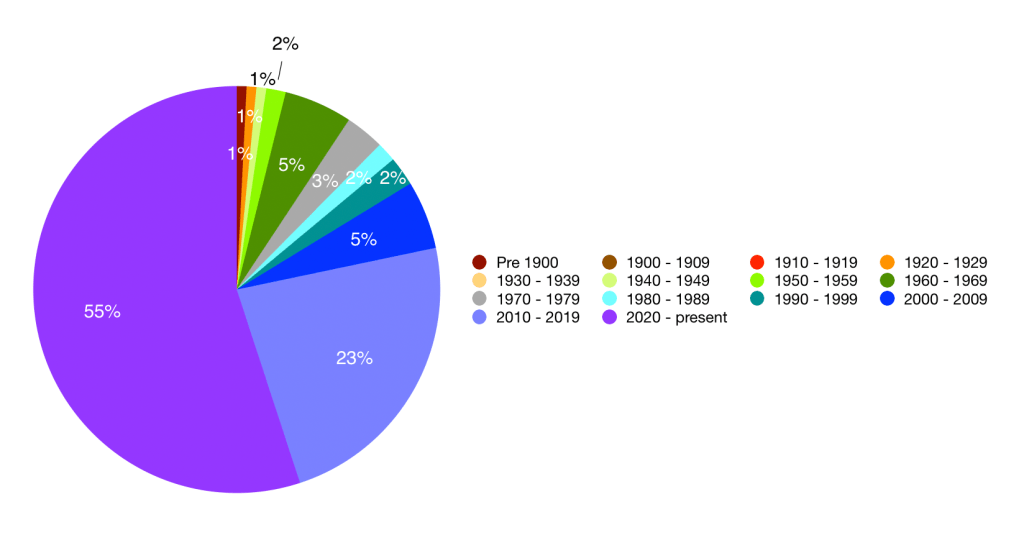
I read 63% in paper and 37% on audio. 55% of the books I read were published since 2020, with another 23% published since 2010. Overall this year, I read fewer books across decades than previous years.
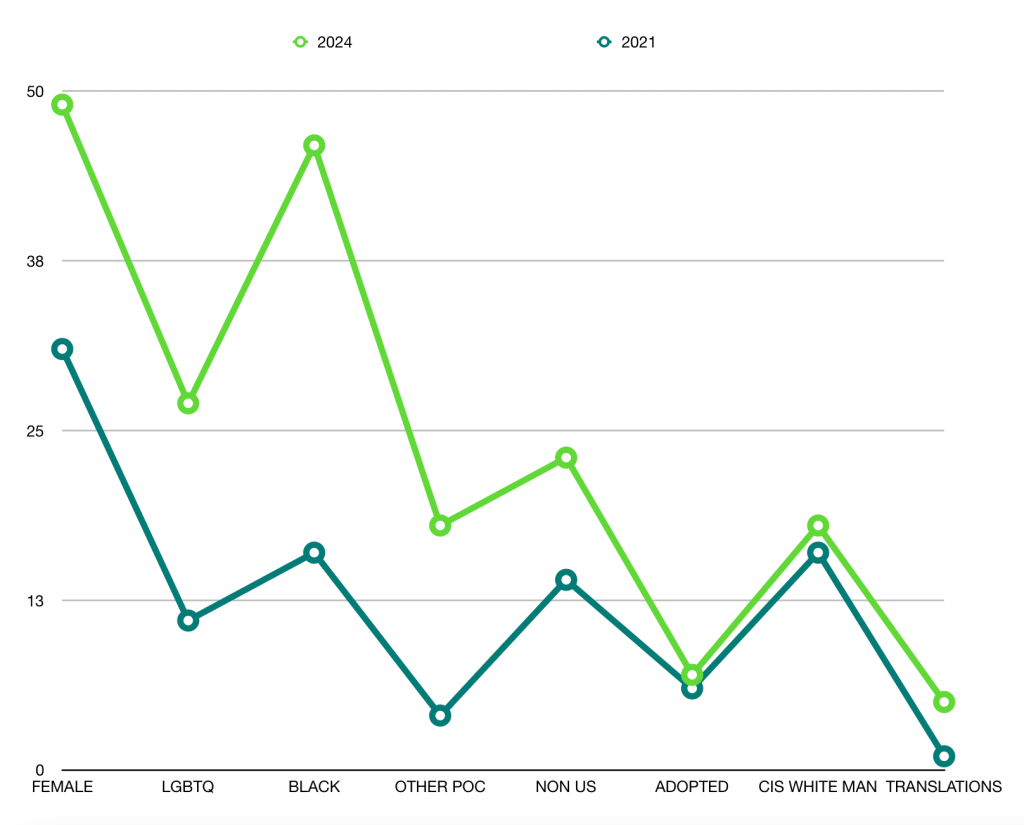
64% of books were by authors of color (46% Black and 18% other authors of color), 49% identified as women, 27% were LGBTQ, 23% were born outside of the US, and 7% were adopted persons. 5% were English translations.
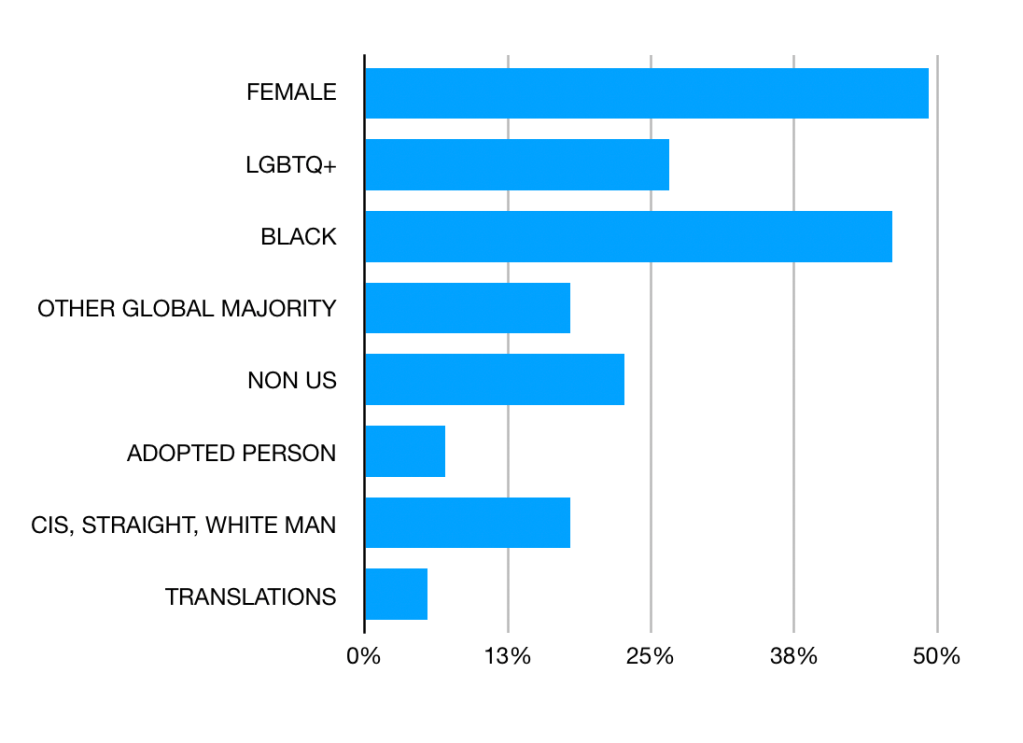
Based on my goals, this is a significant improvement in the diversity of authors read. In 2021, 20% of books were by authors of color (16% Black and 4% other authors of color), 31% identified as women, 11% were LGBTQ, 14% were born outside the US, and 6% were adopted persons. 1% were English translations.
The diversity of authors read translated also into the diversity of my favorite books of 2024. It is a hard list to cull every year, but here is my top 10!
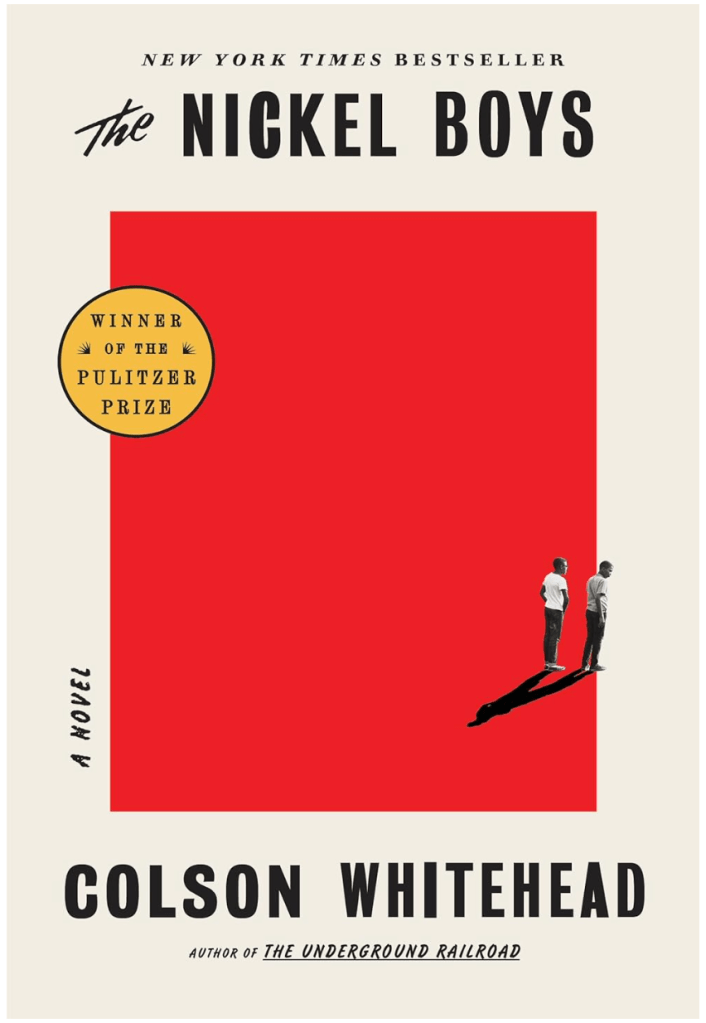
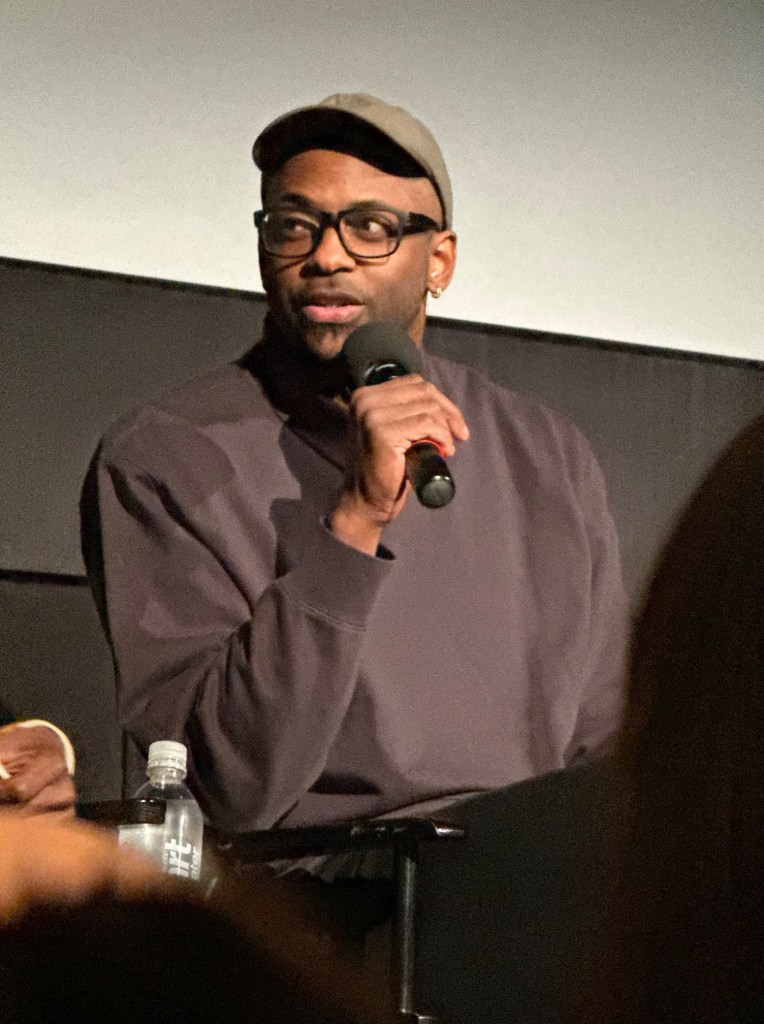
Coleson Whitehead’s The Nickel Boys won the 2020 Pulitzer Prize for fiction, and follows a group of boys at an abusive reform school, based on Florida’s Dozier School. I did this one on audio, it is narrated by JD Jackson, who is one of the very best, and also had the chance to see RaMell Ross’s film adaptation when it released earlier this month.
Roses, in the Mouth of a Lion by Bushra Rehman is the coming-of-age story of a girl struggling to reconcile her heritage and her faith with her desire to be true to herself. The New York Times called it “stunningly beautiful,” while the New Yorker said it was “an ode to adolescence in the vein of A Tree Grows in Brooklyn.” No disrespect to the 1943 classic, but Roses’ Pakastani Muslim protagonist Razia Mirza is not Francie Nolan, in fact, the Los Angeles Times called Razia’s “the account of a warrior,” and I would agree.

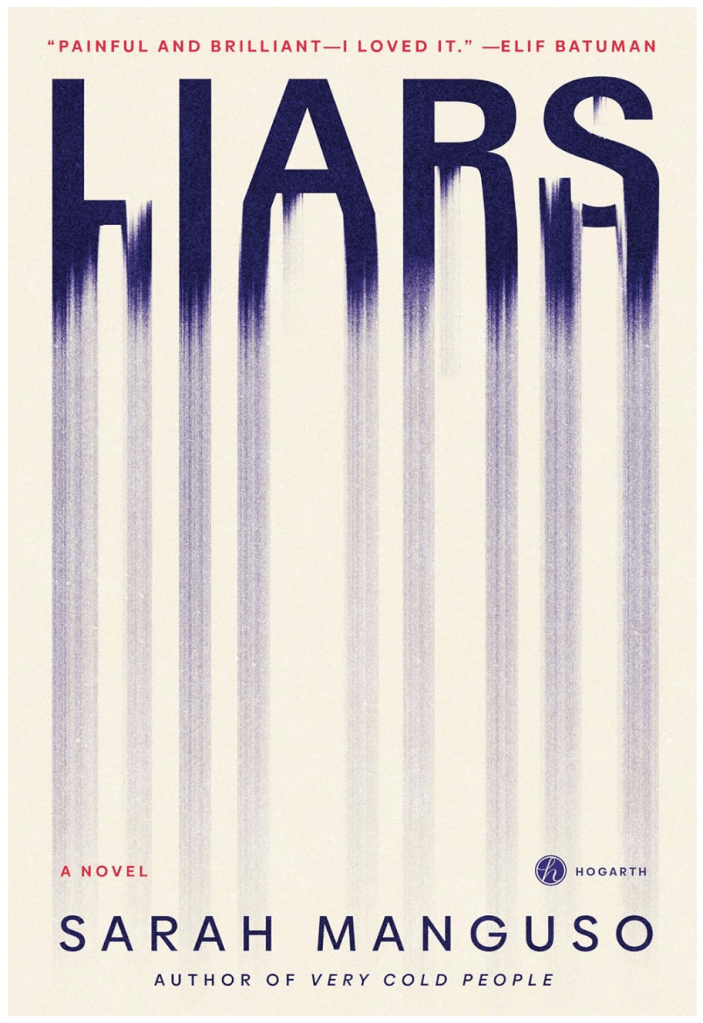
Sometimes the pleasure of fiction is getting lost in a world very different from your own, while sometimes the pleasure is in experiencing a world on the page that looks an awful lot like it. Liars by Sarah Manguso was like that for me. It is a searing novel about being a wife, a mother, and an artist, and how marriage makes liars of us all.
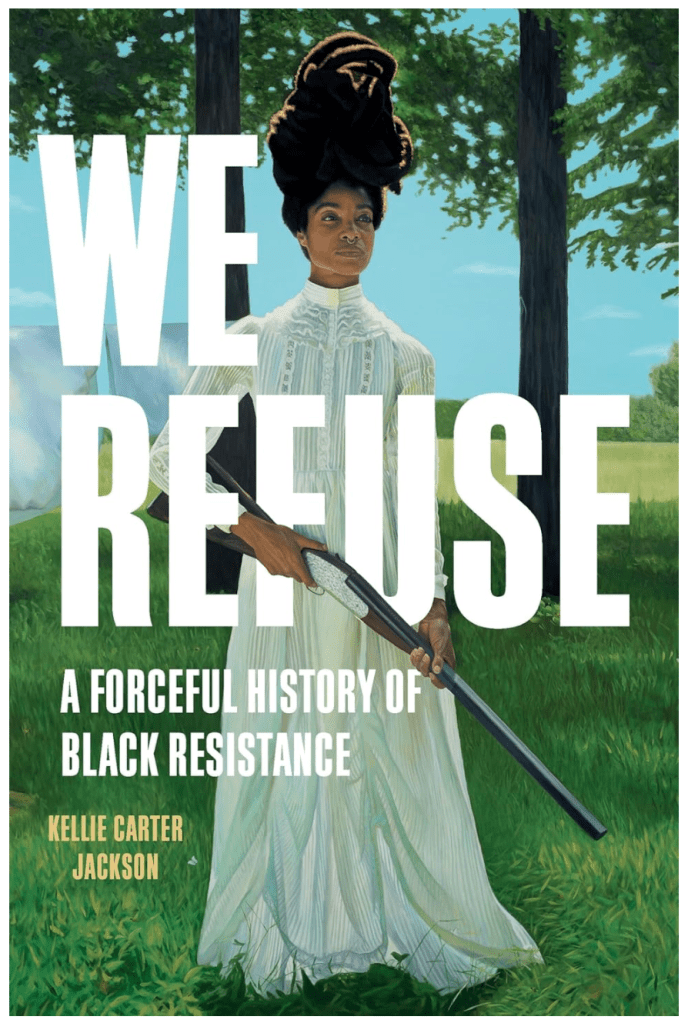
There are some books that can and should be judged by their covers, and this next book is one of them. We Refuse: A Forceful History of Black Resistance by Kellie Carter Jackson argues against reducing resistance to white supremacy to a simple binary between Dr. Martin Luther King Jr.’s nonviolence and Malcolm X’s “by any means necessary.” We Refuse examines a breadth of responses to white oppression, offering a fundamental corrective to the historical record and a path toward liberation.
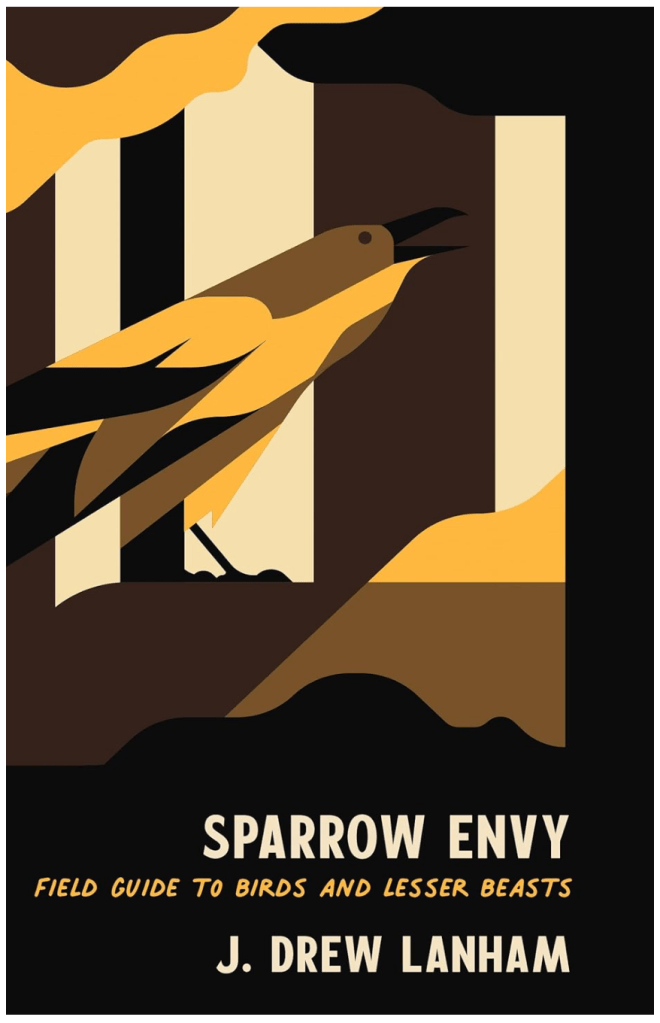
The great poet and activist Nikki Giovanni was called home in 2024. One of my favorite quotes from her is, “Poetry is garlic. Not for everyone, but those who take it never get caught by werewolves.” If you are looking to reduce the risk of werewolf attacks in your life, I suggest, Sparrow Envy: Field Guide to Birds and Lesser Beasts by J. Drew Lanham. Lanham is not only a poet, but is also a wildlife biologist and MacArthur Fellow for his work combining conservation science with personal, historical, and cultural narratives.
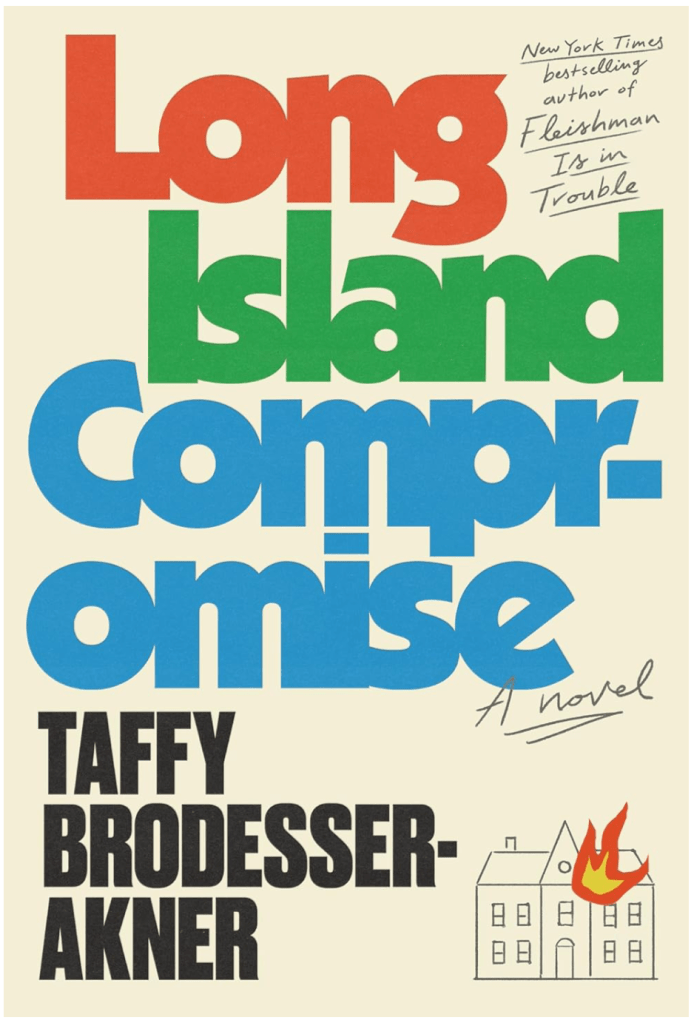
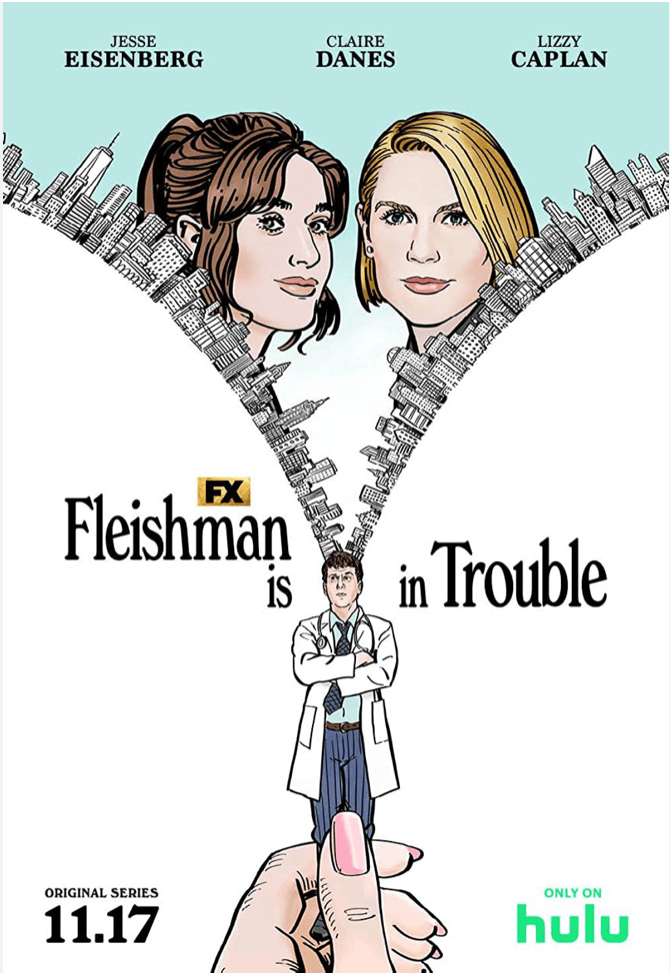
This year I went down the Taffy Brodesser-Ackner rabbit hole this year, reading her 2019 debut novel, Fleishman is in Trouble, and her 2024 release, Long Island Compromise. Multi-layered characters, complex marital dynamics, intergenerational trauma — if this is your idea of a good time, these two books are for you!
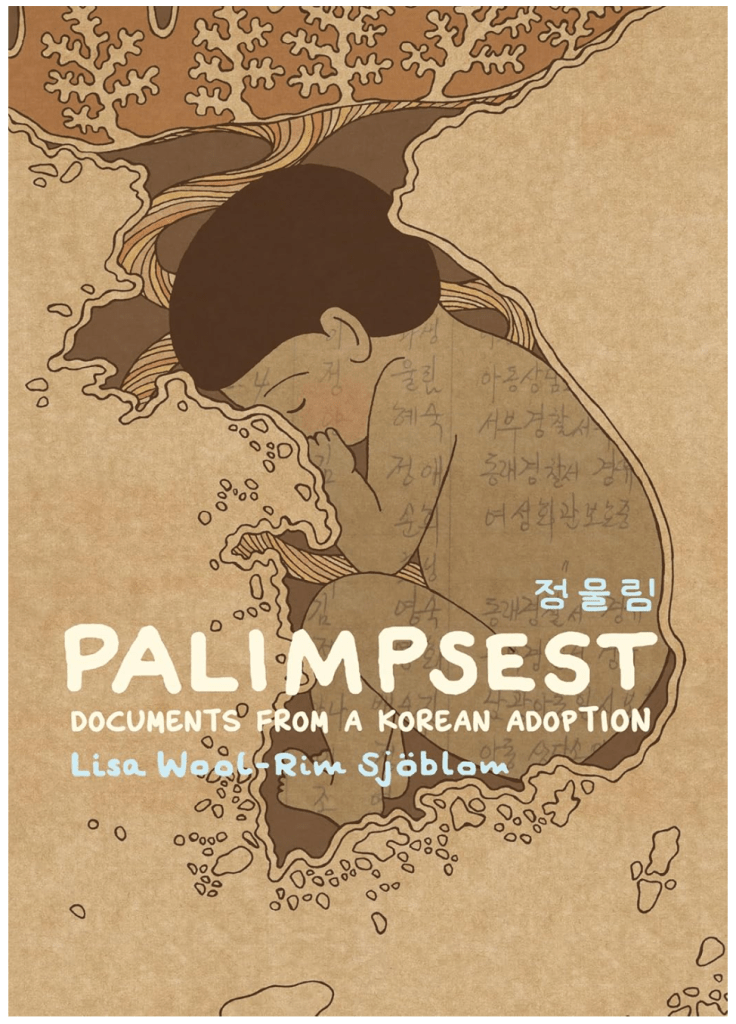
Originally published in Swedish in 2016, Lisa Wool-Rim Sjöblom’s Palimpsest was published in English in 2019. The Guardian called it one of the best graphic novels of that year, Publisher’s Weekly characterized the books as “unflinching,” while Ms. Magazine said the book “challenges existing notions of adoption and identity while stressing the importance of owning your own narrative.”
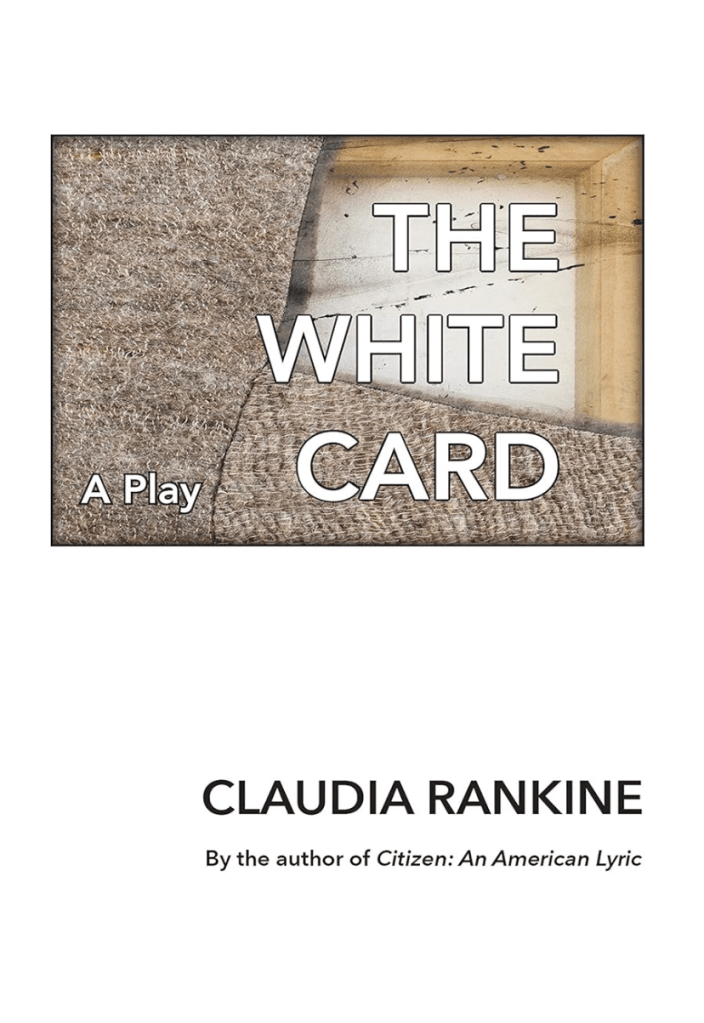
Claudia Rankine is an American poet, essayist, playwright and editor, prolific across genres. She said of her first published play, “The White Card stages a conversation that is both informed and derailed by the black/white American drama… [It] explores what happens if one is willing to stay in the room when it is painful to bear the pressure to listen and the obligation to respond.”
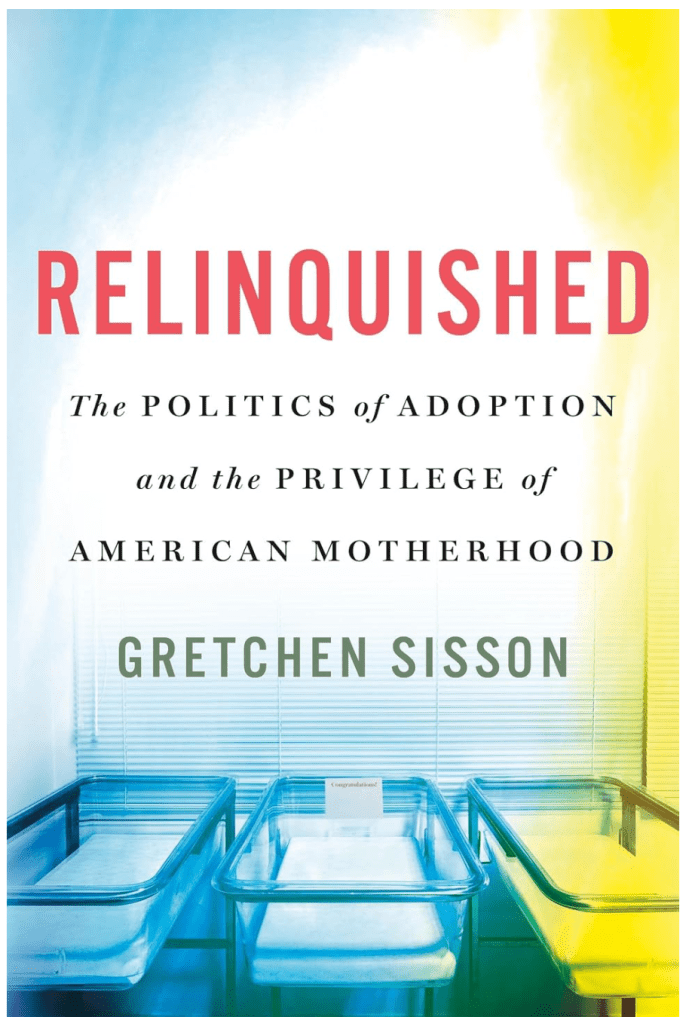
Relinquished: The Politics of Adoption and the Privilege of American Motherhood by Gretchen Sisson has been recognized by everyone from Publishers Weekly to Time Magazine to Good Morning America to Gloria Steinem for its decade-long exploration of adoption in the age of Roe, revealing stories about our country’s refusal to care for families at the most basic level.
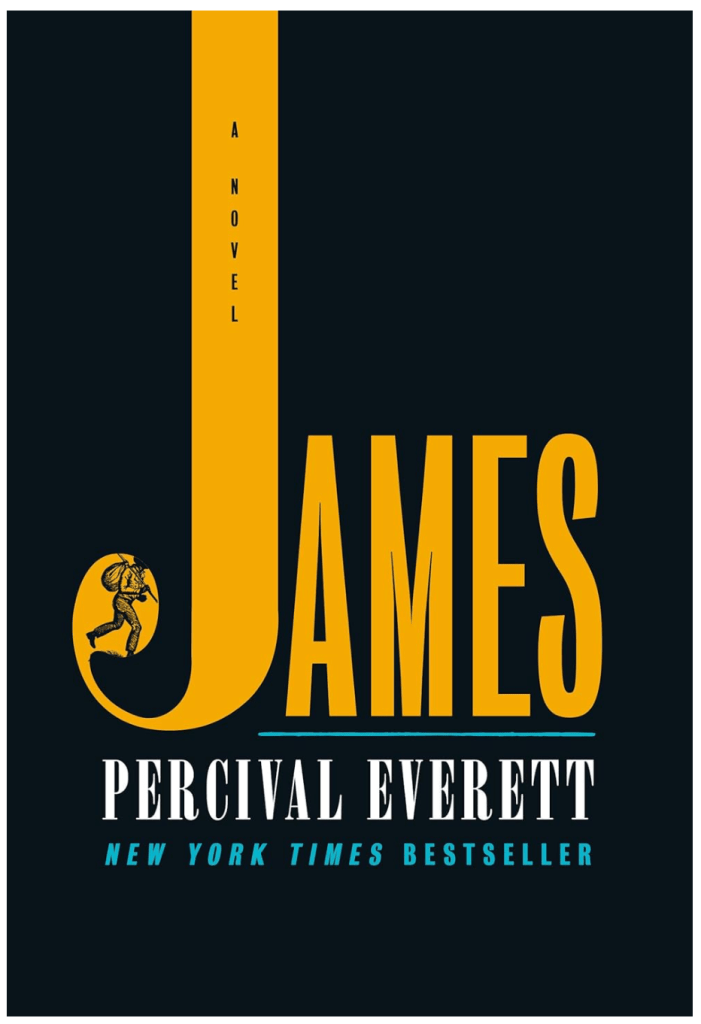
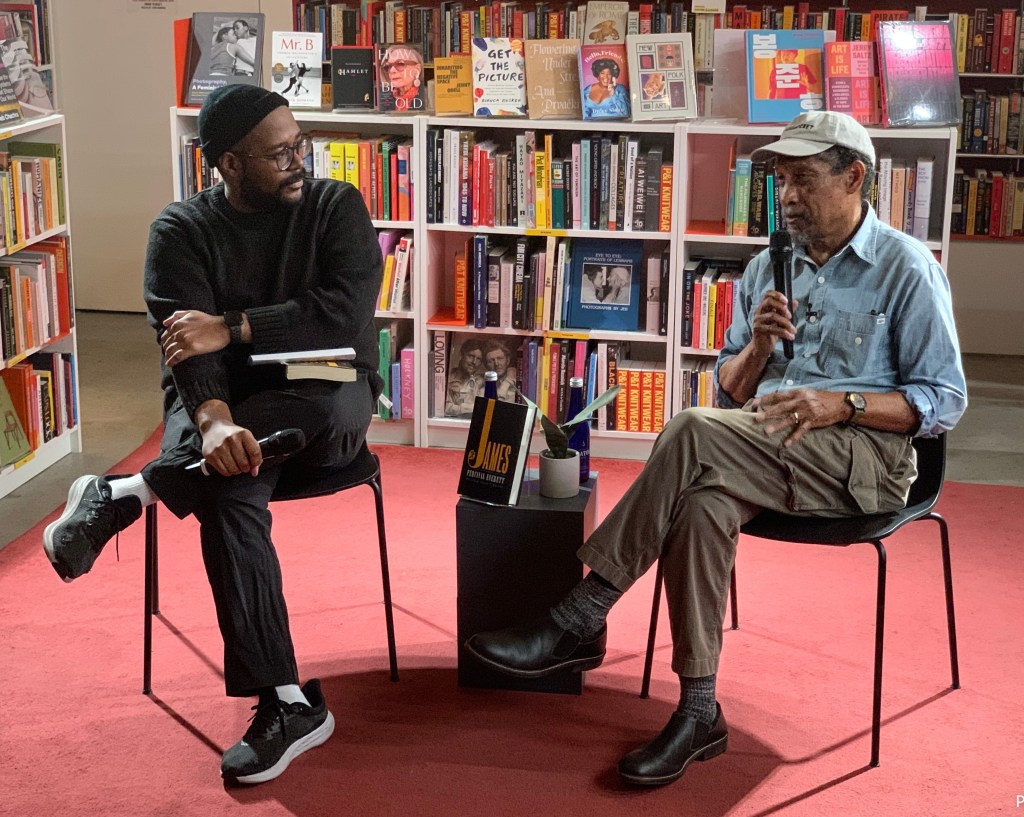
James by Percival Everett, a reimagining of Mark Twain’s The Adventures of Huckleberry Finn, told through the eyes of Finn’s travel companion. This book is smart, funny, and subversive, James won the Kirkus Prize for Fiction, as well as the National Book Award. According to wikipedia, it appeared on 33 “best books of 2024” lists. It tops my list.

 sullivansummer.com
Leave a comment